A great man is one who collects knowledge the way a bee collects honey and uses it to help people overcome the difficulties they endure - hunger, ignorance and disease!
- Nikola Tesla

Remember, remember always, that all of us, and you and I especially, are descended from immigrants and revolutionists.
- Franklin Roosevelt

While their territory has been devastated and their homes despoiled, the spirit of the Serbian people has not been broken.
- Woodrow Wilson

Na Jermi niče brana-umetničko delo

Čuveni skulptor iz Minesote, SAD-a, Zoran Mojsilov, inače poreklom iz sela Vlasi, počeo je sa izgradnjom brane na reci Jermi koja će biti možda i na svetu jedinstvena po tome što će predstavljati pravo umetničko delo.

Kako je Pirotskim vestima izjavio Mojsilov, na ovom mestu brana postoji poslednjih 150, možda i 200 godine, ali svakog proleća Jerma nadođe i bujica odnese branu.

.

- Za ovaj poduhvat sakupio sam novac-donaciju naših iseljenika iz SAD-a, ali i mnogih Amerikanaca. Predstavio sam svoj projekat na sajtu “kickstarter”, koji finansira umetničke projekte i ljudi su mi uplaćivali ko je koliko mogao tako da sam sakupio oko 12.000 dolara kako bi napravio branu, koja će omogućiti i navodnjavanje polja nadomak sela. Brana je postojala poslednjih 150, možda i 200 godine, ali je reka često odnosila. Ovoga puta ćemo to permanentno da rešimo, a selo će rešiti i problem sa vodom jer seljaci više neće morati da koriste pijaću vodu za polivanje bašti-kaže Mojsilov, koji je jedinstven po tome što u svoja umetnička dela, koja su uglavnom masivna, ugrađuje autentične predmete sa ovog podneblja poput poljoprivrednih alakti i sličnih stvari od gvožđa i kamena, koja se vekovima koriste na ovim prostorima.

Mojsilov živi u Minesoti ali svakoga leta dolazi u svoju postojbinu svojih predaka, u prelepo selo Vlasi. Svoja umetnička dela Mojsilov pravi od kamena, drveta, gvožđa, a o njegovom umeću jedan indijanski vrač iz plemena Dakota, inače njegov prijatelj, kazao je da je Mojsilov čovek koji ima snagu da probudi kamen. Njegove skulpture nalaze se u čak dvadeset država SAD-a. Za svoj najnoviji umetnički poduhvat, branu na Jermi, Mojsilov je ponovo iskoristio jedan originalni “ukras”, deo šine sa pruge uskog koloseka kojom je nekada kanjonom Jerme “tutnjao” voz-ćira, koji je transportovao ugalj iz odavno ugašenog rudnika uglja “Jerma”.

Po njegovim rečima, on je do sada u više navrata pokušavao da napravi skulpturu koja bi krasila selo, ali su poslednju njegovu skulpturu nesavesni meštani sela uništili, drvo zapalili a gvožđe prodali u sekundarne sirovine.

Ovoga puta sam napravio kompromis sa meštanima jer su shvatili da je pravljenje brane u njihovu korist tako da mislim da nećemo imati sličnih problema-kaže Mojsilov.

Tekst i foto Aleksandar Ćirić, Pirotske vesti


SA


People Directory

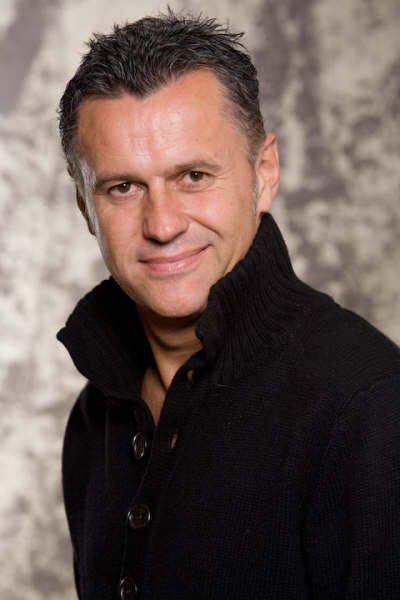
Jack Dimich

Born in former Yugoslavia, Jack Dimich studied acting at The Lee Strasberg Institute in New York, full time program from 1997 to 2001 and graduated with title role in Richard The Third, written by William Shakespeare.

Since then he has been acting on a worldwide stage in film and television. In 2008 he stared in, In the Name of the Son, AFI film that won 25 international film festivals and was qualified for an Academy Award.

Read more ...

Publishing

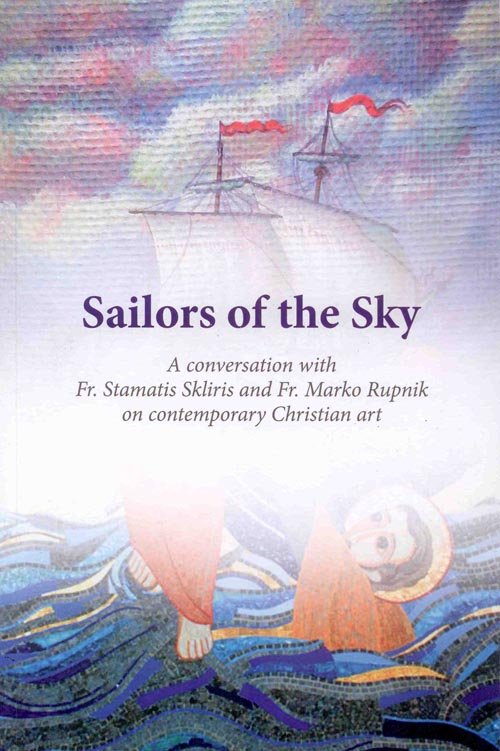
Sailors of the Sky

A conversation with Fr. Stamatis Skliris and Fr. Marko Rupnik on contemporary Christian art

In these timely conversations led by Fr. Radovan Bigovic, many issues are introduced that enable the contemporary reader to deepen and expand his or her understanding of the role of art in the life of the Church. Here we find answers to questions on the crisis of contemporary ecclesiastical art in West and East; the impact of Impressionism, Expressionism, Cubism, Surrealism and Abstract painting on contemporary ecclesiastical painting; and a consideration of the main distrinction between iconography and secular painting. The dialogue, while resolving some doubts about the difference between iconography, religious painting, and painting in general, reconciles the requirement to obey inconographic canons with the freedom essential to artistic creativity, demonstrating that obedience to the canons is not a threat to the vitatlity of iconography. Both artists illumine the role of prayer and ascetisicm in the art of iconography. They also mention curcial differences between iconography in the Orthodox Church and in Roman Catholicism. How important thse distinctions are when exploring the relationship between contemporary theology and art! In a time when postmodern "metaphysics' revitalizes every concept, these masters still believe that, to some extent, Post-Modernism adds to the revitatiztion of Christian art, stimulating questions about "artistic inspiration" and the essential asethetic categories of Christian painting. Their exceptionally wide, yet nonetheless deep, expertise assists their not-so-everday connections between theology, ar, and modern issues concerning society: "society" taken in its broader meaning as "civilization." Finally, the entire artistic project of Stamatis and Rupnik has important ecumenical implications that aswer a genuine longing for unity in the Christian word.

The text of this 94-page soft-bound book has been translated from the Serbian by Ivana Jakovljevic, Fr. Gregory Edwards, and Andrijana Krstic. Published by Sebastian Press, Western American Diocese of the Serbian Orthodox Church, Contemporary Christian Thought Series, number 7, First Edition, ISBN: 978-0-9719505-8-0