A great man is one who collects knowledge the way a bee collects honey and uses it to help people overcome the difficulties they endure - hunger, ignorance and disease!
- Nikola Tesla

Remember, remember always, that all of us, and you and I especially, are descended from immigrants and revolutionists.
- Franklin Roosevelt

While their territory has been devastated and their homes despoiled, the spirit of the Serbian people has not been broken.
- Woodrow Wilson

Теслино писмо Змају у Народној библиотеци

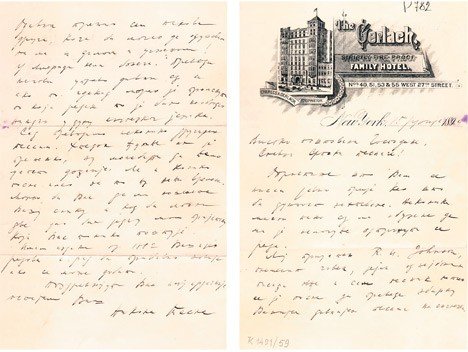
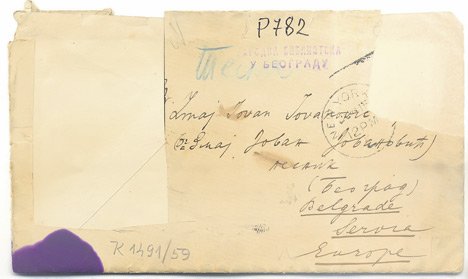
Писмо које је Никола Тесла написао Јовану Јовановићу Змају, обавештавајући га да жели да његове песме преведе на енглески и објави у Америци, од данас је по први пут јавно изложено у Народној библиотеци Србије, а у оквиру представљања најзначајнијих експоната из колекције београдске библиотеке.

.

Јављајући се Змају из Њујорка, велики научник је писао да ће пробати да са америчким песником Робертом Џонсоном преведе неке од песникових стихова. Како кажу у Народној библиотеци Србије, реч је о оригиналу датираном на 15. јун 1894, који ће бити постављен у специјалној комори у холу испред централне читаонице све до 1. марта. У националној библиотеци такође кажу да је ово писмо сведочанство Теслине љубави и поштовања према Змајевој поезији.

– Библиотека је купила писмо 1959. од приватног понуђача и данас је његов чувар – објашњава Оливера Стевановић, начелница Одељења посебних фондова у Народној библиотеци Србије.

– Тесла је написао писмо веома узбуђен због Змајеве песме „Поздрав Николи Тесли”. Њихов однос је био диван, мислим да је Тесла био заљубљен у Змајеве стихове.

Змај је написао поменуту песму поводом јединог Теслиног доласка у Београд 1892. Поета и лекар је лично прочитао песму добродошлице на пријему у Теслину част.
У писму које је представљено у националној библиотеци Тесла је од песника тражио да му пошаље своју фотографију као и своја нова издања. Тесла је дословно превео песме „Три Хајдука”, „Два сина”, „Циганин хвали свога коња” и „Тајна љубав” да би се Џонсон побринуо за песнички стил превода. Иначе, Џонсон је био велики Теслин пријатељ. Помагао му је да идеје представи јавности објављујући његове научне чланке или новинарске чланке о њему у њујоршком часопису „The Century Magazine”. Управо је у овом магазину 1894. Тесла и објавио поменуте преводе као и свој текст о Змају и српској народној поезији.

Објашњавајући сарадњу са Џонсоном, Тесла је у овом писму јављао Змају:

„У Америци нема бољег преводиоца. Преводи његови управо дивни су, а ако је погдекад мора променити по који редак, то је било неопходно нужно у духу енглеског језика. Сад преводимо неколико другијих песама. Хтедох ’Ђулиће’, али је претешко...”

ПОЛИТИКА 1. 2. 2013.


SA


People Directory

Nickola V. Todorovich

March 20, 1930 – September 29, 2021

He was a faithful, family man, who was proud of his Serbian roots, but also believed in and achieved the American Dream. Nickola was born on March 20, 1930 in Drazevac, Serbia, Yugoslavia. As a preteen he moved to Belgrade where he completed his education and graduated from the Geodetic College and then worked for the Yugoslavian, Republic Geodetic authority, in Serbia, for four years. In 1956 he accepted a job in Austria and worked for the Austrian Department of Geodetic Authority, for 6 months while he continued his quest to find his father who was missing in action since WWII. From Vienna, Nickola immigrated to the United States with the help and support of the Serbian National Defense Council.

Read more ...

Publishing

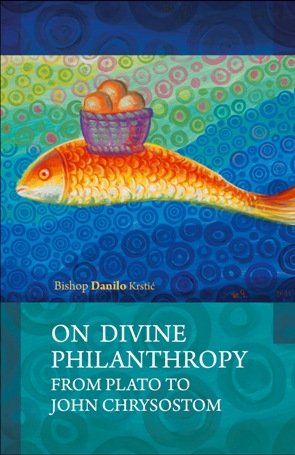
On Divine Philanthropy

From Plato to John Chrysostom

by Bishop Danilo Krstic

This book describes the use of the notion of divine philanthropy from its first appearance in Aeschylos and Plato to the highly polyvalent use of it by John Chrysostom. Each page is marked by meticulous scholarship and great insight, lucidity of thought and expression. Bishop Danilo’s principal methodology in examining Chrysostom is a philological analysis of his works in order to grasp all the semantic shades of the concept of philanthropia throughout his vast literary output. The author overviews the observable development of the concept of philanthropia in a research that encompasses nearly seven centuries of literary sources. Peculiar theological connotations are studied in the uses of divine philanthropia both in the classical development from Aeschylos via Plutarch down to Libanius, Themistius of Byzantium and the Emperor Julian, as well as in the biblical development, especially from Philo and the New Testament through Origen and the Cappadocians to Chrysostom.

With this book, the author invites us to re-read Chrysostom’s golden pages on the ineffable philanthropy of God. "There is a modern ring in Chrysostom’s attempt to prove that we are loved—no matter who and where we are—and even infinitely loved, since our Friend and Lover is the infinite Triune God."

The victory of Chrysostom’s use of philanthropia meant the affirmation of ecclesial culture even at the level of Graeco-Roman culture. May we witness the same reality today in the modern techno-scientific world in which we live.