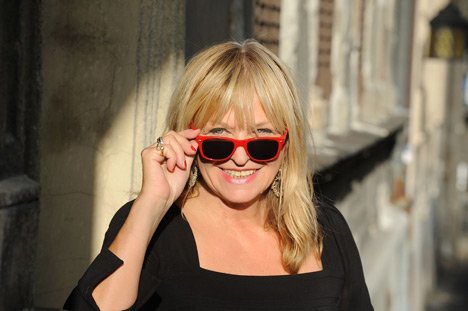
Pitanje “Belgrade… What’s That?, često bolno otrežnjujuće za one Beograđane u Njujorku koji su smatrali da za Beograd svi znaju - pošto je to jedan zanimljiv grad, koji ima “dušu”, “ono nešto” itd, naslov je izložbe fotografija Dragane Kanjevac koja će krajem avgusta biti otvorena u njujorškoj galeriji MC.
Reč je o fotografijama Beograda, snimanim mobilnim telefonom, koje prate tekstualni komentari na engleskom jeziku.
Pošto ljudi u Njujorku nemaju mnogo vremena za sentimentalne priče o rodnoj grudi, autorka je “sačinila svojevrstan foto kurs upoznavanja za beogradskim šmekom, kakav god da je on….”, navedeno je u katalogu izložbe.
.Fotografije Dragane Kanjevac biće u Njujorku prikazane i u Studiju 151, novom klubu njujorškog džez muzičara Ilhana Ersahina, vlasnika kultnog kluba Nublu, kao i istoimene muzičke etikete. Ovoga puta prizori sa beogradskih ulica biće prikazani u multimedijalnoj formi, kombinovani sa projekcijom vožnji po Beogradu iz gradskog prevoza i taksija.
Dragana Kanjevac do sada je u Njujorku prikazala dva dokumentarna filma na četiri lokacije - dokumentarac o glumici Sonji Savić “Sonja”, kao i film “NY: 6 sati ranije”, posvećen Beograđanima koji žive u Njujorku. Taj film imao je njujoršku premijeru u Linkoln centru.
Dragana Kanjevac vezana je za Njujork mnogim nitima, a njen prelaz iz novinarstva preko dokumentarnog filma do fotografije vezan je jednom zajedničkom niti - Beogradom kao inspiracijom.
Beograd na fotografijama Dragane Kanjevac, kako je navela Ana Radmilović u pratećem tekstu, “poznat je i nov, i ima smisla prvo ga prikazati Njujorku. A onda, uvećanog duhom kosmopolisa vratiti Beograd onima koji u njemu žive – sa svim tim njegovim širokim duhom i začudnim slikama”.
Dragana Kanjevac koautorka je i dokumentarnog filma “Akademija republika”, nagrađenog 1997. na Kratkom metru u Beogradu za autentičan dokumentarni TV izraz.
Rođena 1965. u Beogradu, diplomirala je filozofiju na Filozofskom fakultetu, a od 1989. bavi se TV novinarstvom kao autorka više serijala emisija i intervjua u oblasti popularne kulture i medija. Objavljuje i publicističke radove na temu kulturne politike, medija i popularne kulture.
Pre svega je nezaisna novinarka, a prema rečima Gorana Gocića, takođe novinara, publiciste i pisca, ona je štaviše i nezavisan i orinalan duh.
“Odatle, naravno, proizlaze i njeni trijumfi i nevolje. U kontekstu naše esnafske, partokratske, feudalne, burazerske, krimogeno-udbaške i kakve-sve-ne zavisti i zavisnosti, ovo je svakako ekscentrično životno opredeljenje. Govorim iz iskustva”, naveo je Gocić, napominjući da se nezavisnost u takvim tržišnim i životnim uslovima čita kao neprofitabilnost, dakle kao zahtevan luksuz.
Dragana Kanjevac, prema njegovim rečima, taj danak u kešu i živcima plaća svojim otmenim povlačenjem: s televizije u dokumentarce, iz magazina na blogosferu.
“Odande, njeni tekstovi nas nenametljivo poučavaju šta bi naš esnaf, u nekom boljem svetu, mogao da bude: satiričan, ali ne i zlurad, duhovit, ali ne ad hominem, svež, ali ne i infantilan, aktuelan, ali ne i senzacionalistički, vispren, ali ne i pretenciozan. Isto važi i za Draganine fotografije. I one poreklo i postojanje duguju društvenim mrežama. Kažu da ih je samo u ovoj godini okinuto više nego u prethodnom veku. To krajnje demokratizovano, na momente i iritantno kliktanje, međutim, u slučaju Kanjevac, donosi istu onu vrcavost, jedinstvenost, duhovitost i, zašto da ne, radost na koje nas je navikla. Sa sličnom radošću preporučujem i njenu svesno nezavisnu, nesvrstanu, nerežiranu, nepretnecioznu, neprofitabilnu, freelance izložbu fotografija”, naveo je Gocić.
Izvor: SEEcult.org