A great man is one who collects knowledge the way a bee collects honey and uses it to help people overcome the difficulties they endure - hunger, ignorance and disease!
- Nikola Tesla

Remember, remember always, that all of us, and you and I especially, are descended from immigrants and revolutionists.
- Franklin Roosevelt

While their territory has been devastated and their homes despoiled, the spirit of the Serbian people has not been broken.
- Woodrow Wilson

Mihajlo Idvorski Pupin

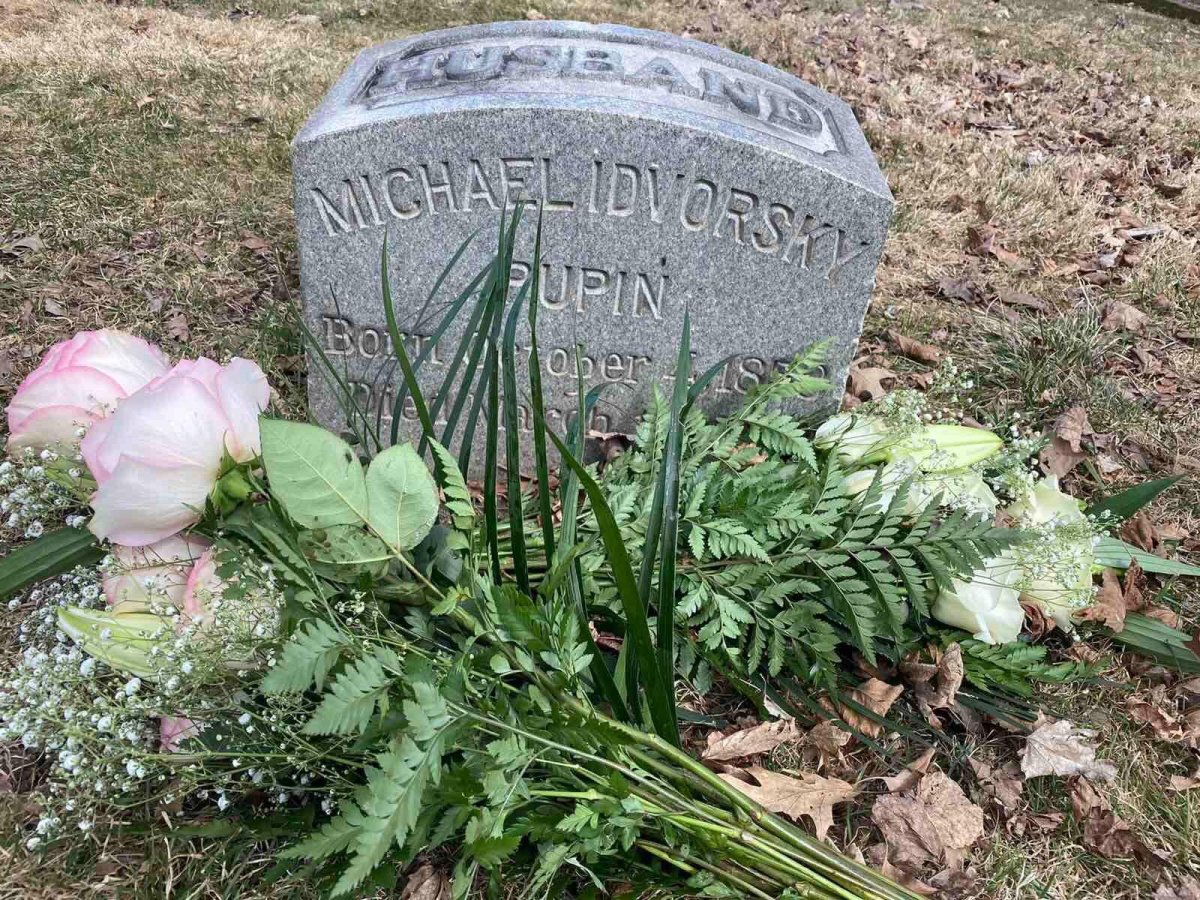
Mihajlo Idvorski Pupin (October 9, 1854, Idvor, Serbia – March 12, 1935, New York, NY) was a Serbian physicist, physical chemist, philanthropist. Pupin is best known for his numerous patents, including a means of greatly extending the range of long-distance telephone communication by placing loading coils at predetermined intervals along the transmitting wire. Together with his wife Sara Catharine and daughter Barbara Pupin-Smith is buried at the prestigious Woodlawn Cemetery, where Orthodox Serbs and others, local and international, regularly pay their respects at the grave of this great son of Serbia.

Woodlawn Cemetery

Joining a rarified roster of 2,500 sites nationwide, including our St. Sava Pro-Cathedral in Manhattan, Woodlawn Cemetery, one of the largest cemeteries in New York, was designated in 2011 as a National Historic Landmark. Located in the Woodlawn area of the Bronx, Woodlawn Cemetery was opened during the Civil War in 1863. Today it is an oasis in an urban setting, with more than 310,000 individuals interred on its grounds. This cemetery attracts over 100,000 visitors from around the world each year. The National Park Service describes the cemetery as “a popular final resting place for the famous and powerful,” such as Princess Anastasia of Greece and Denmark; authors Countee Cullen, Nellie Bly, and Herman Melville; musicians Irving Berlin, Miles Davis, Duke Ellington, W. C. Handy, and Max Roach; along with businessmen, such as shipping magnate Archibald Gracie and department store founder, Rowland Hussey Macy, and philanthropist Augustus Juilliard, who established the Julliard School of Music.

SA


People Directory

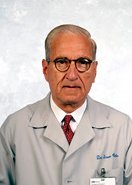
Ivan Ciric

Professor of neurosurgery at the University of Chicago Medical School

Ivan S. Ciric was born on December 15, 1933 in Vienna, Austria. Dr. Ciric grew up in Sremski Karlovci. He received his M.D. degree from the University of Belgrade and Doctor of Medicine from the University of Cologne, Germany. Dr. Ciric trained under Professor Wilhelm Tonnis at the University of Cologne from 1961 to 1963 and under Dr. Paul Bucy at Northwestern University Medical School from 1963 to 1967. That year he received additional training in stereotactic surgery under Dr. Claude Bertrand and in pituitary surgery under Dr. Jules Hardy at the Notre Dame Hospital in Montreal. Dr. Ciric is Professor of Neurosurgery at Northwestern University Medical School, Vice Chairman of the Department of Neurological Surgery and Chief of the Neurosurgery Service at the Evanston Hospital where he holds the Bennett - Tarkington Chair of Neurosurgery.

Read more ...

Publishing

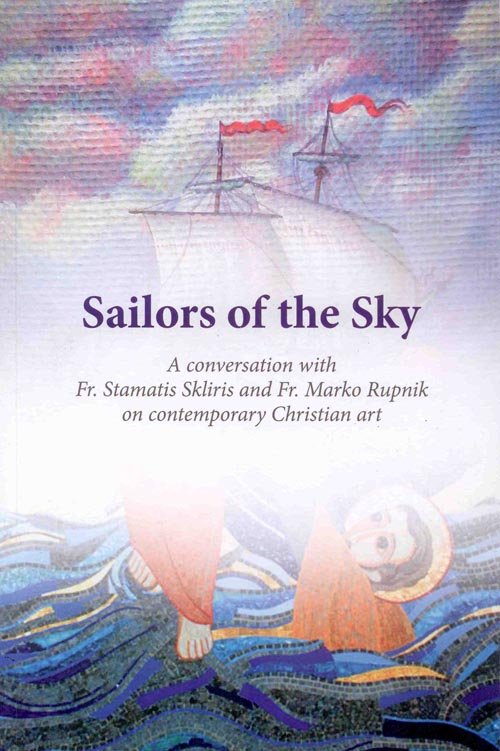
Sailors of the Sky

A conversation with Fr. Stamatis Skliris and Fr. Marko Rupnik on contemporary Christian art

In these timely conversations led by Fr. Radovan Bigovic, many issues are introduced that enable the contemporary reader to deepen and expand his or her understanding of the role of art in the life of the Church. Here we find answers to questions on the crisis of contemporary ecclesiastical art in West and East; the impact of Impressionism, Expressionism, Cubism, Surrealism and Abstract painting on contemporary ecclesiastical painting; and a consideration of the main distrinction between iconography and secular painting. The dialogue, while resolving some doubts about the difference between iconography, religious painting, and painting in general, reconciles the requirement to obey inconographic canons with the freedom essential to artistic creativity, demonstrating that obedience to the canons is not a threat to the vitatlity of iconography. Both artists illumine the role of prayer and ascetisicm in the art of iconography. They also mention curcial differences between iconography in the Orthodox Church and in Roman Catholicism. How important thse distinctions are when exploring the relationship between contemporary theology and art! In a time when postmodern "metaphysics' revitalizes every concept, these masters still believe that, to some extent, Post-Modernism adds to the revitatiztion of Christian art, stimulating questions about "artistic inspiration" and the essential asethetic categories of Christian painting. Their exceptionally wide, yet nonetheless deep, expertise assists their not-so-everday connections between theology, ar, and modern issues concerning society: "society" taken in its broader meaning as "civilization." Finally, the entire artistic project of Stamatis and Rupnik has important ecumenical implications that aswer a genuine longing for unity in the Christian word.

The text of this 94-page soft-bound book has been translated from the Serbian by Ivana Jakovljevic, Fr. Gregory Edwards, and Andrijana Krstic. Published by Sebastian Press, Western American Diocese of the Serbian Orthodox Church, Contemporary Christian Thought Series, number 7, First Edition, ISBN: 978-0-9719505-8-0