A great man is one who collects knowledge the way a bee collects honey and uses it to help people overcome the difficulties they endure - hunger, ignorance and disease!
- Nikola Tesla

Remember, remember always, that all of us, and you and I especially, are descended from immigrants and revolutionists.
- Franklin Roosevelt

While their territory has been devastated and their homes despoiled, the spirit of the Serbian people has not been broken.
- Woodrow Wilson

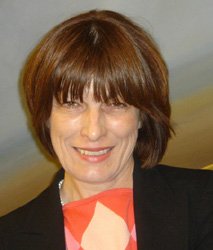
Gordana Vunjak-Novaković

Gordana Vunjak-Novakovic is a Serbian American engineer and currently a professor of biomedical engineering at Columbia University. She is the director of Columbia's Laboratory for Stem Cells and Tissue Engineering. Vunjak-Novakovic is a highly cited researcher, having published 235 engineering papers, two books, 45 book chapters, and 34 patents. She had also given over 150 lectures across the world. Vunjak-Novakovic is an advisor to the federal government on tissue engineering and regenerative medicine, serving as chair of NIH's tissue engineering section. Vunjak-Novakovic's areas of research include tissue engineering, bioreactors, biophysical regulation, tissue development, and stem cell research.

.

Vunjak received her B.S., M.S., and Ph.D. in chemical engineering from the University of Belgrade, in Belgrade, Serbia. After her postgraduate study in Germany, she returned as a faculty to the University of Belgrade in its Chemical Engineering Department. Before arriving at Columbia, Vunjak worked as a Fulbright Fellow at Massachusetts Institute of Technology's Harvard-MIT Division of Health Sciences and Technology from 1986 to 1987. She was an adjunct professor at Tufts University and from 1989 to 1992 a visiting professor in the Netherlands and MIT.

Vunjak was elected a fellow of the American Institute for Medical and Biological Engineering in 2002 and a member of the National Academy of Engineering in 2012. In 2007, she became the first woman engineer to receive the distinction of giving the Director's Lecture at the National Institute of Health. In 2008, she was inducted into the Women in Technology International Hall of Fame, and in 2009, she was elected to the New York Academy of Sciences. Vunjak is a recipient of the Clemson Award given by the Biomaterials Society.

"Politika" Interview (pdf 1.6 MB)

External links:


SA


People Directory

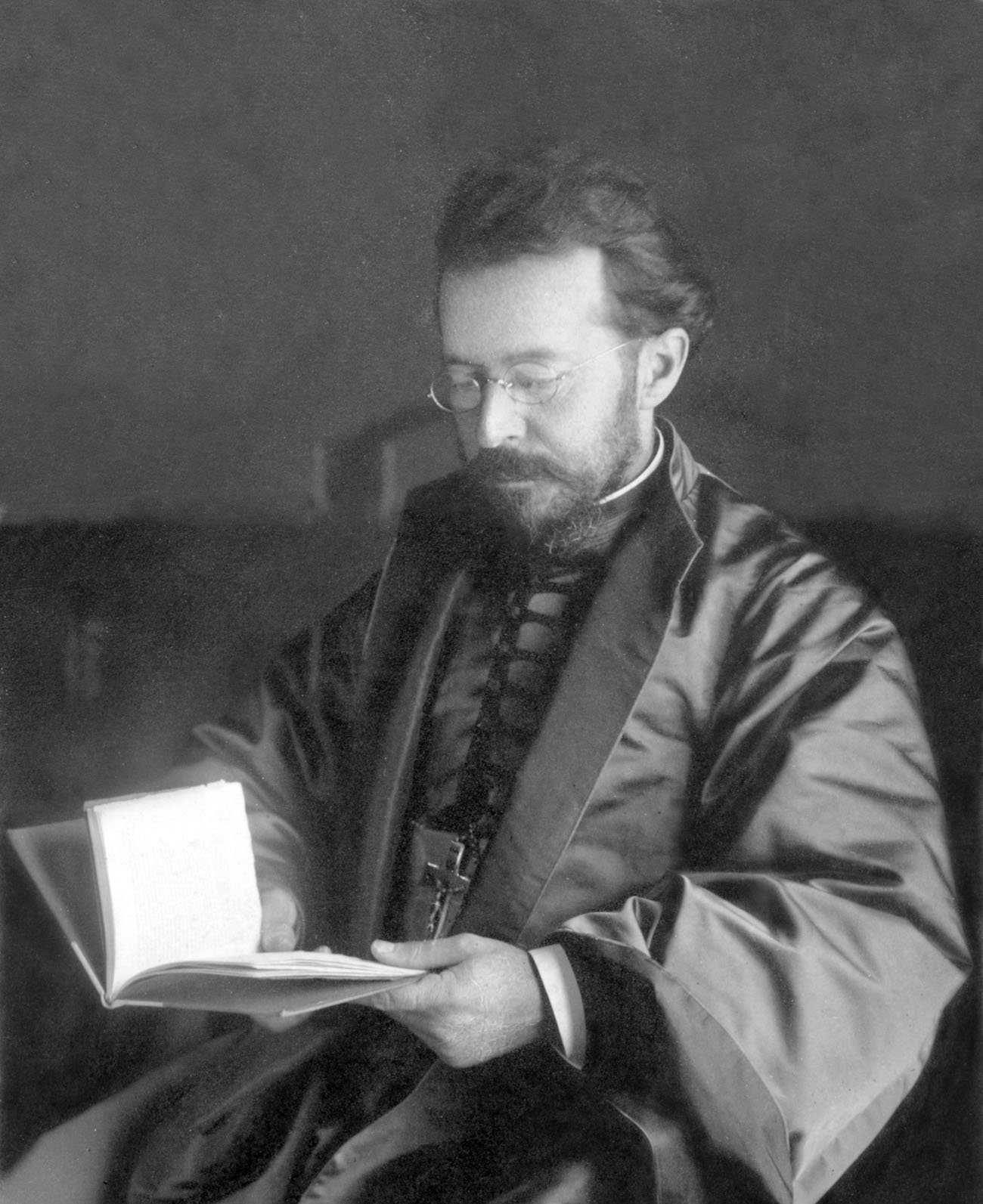
Archimandrite Sebastian Dabovich

Archimandrite Sebastian Dabovich
SERBIAN ORTHODOX APOSTLE TO AMERICA
by Hieromonk Damascene (Christensen)
St. Herman of Alaska Monastery, Platina, California


1. An Apostle of Universal Significance

Born during the presidency of Abraham Lincoln, Archimandrite Sebastian Dabovich has the distinction of being the first person born in the United States of America to be ordained as an Orthodox priest,[1] and also the first native-born American to be tonsured as an Orthodox monk. His greatest distinction, however, lies in the tremendous apostolic, pastoral, and literary work that he accomplished during the forty-eight years of his priestly ministry. Known as the "Father of Serbian Orthodoxy in America,"[2] he was responsible for the founding of the first Serbian churches in the NewWorld. This, however, was only one part of his life's work, for he tirelessly and zealously sought to spread the Orthodox Faith to all peoples, wherever he was called. He was an Orthodox apostle of universal significance.

Read more ...

Publishing

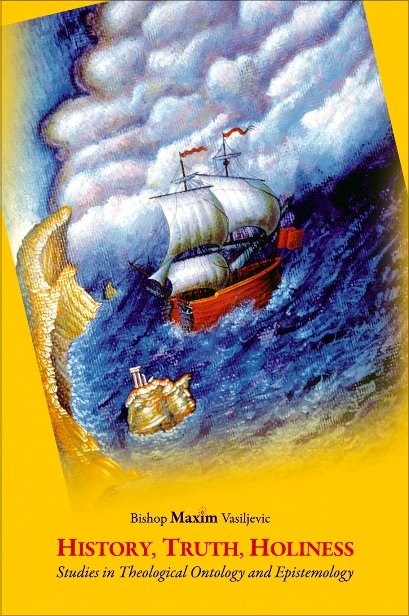
History, Truth, Holiness

by Bishop Maxim Vasiljevic

Bishop Maxim’s first book, described by Fr. John Breck as an “exceptionally important collection of essays” contributing to both the theology of being and also contemporary theological questions, is now available! Christos Yannaras describes Bishop Maxim as “a theologian who illumines” and Fr. John McGuckin identifies his work as “deeply biblical and patristic, academically learned yet spiritually rich.” The first half of the book collects papers emphasizing theological ontology and epistemology, reminding us how both the mystery of the Holy Trinity and that of the Incarnation demand that we rethink every philosophical supposition; it includes chapters on holiness as otherness, truth and history, and the biochemistry of freedom. The second half of the book features lectures dedicated to the theological questions posed by modern theology, including studies of Orthodox and Roman Catholic ecclesiology, liturgics, and the theology of icons.