A great man is one who collects knowledge the way a bee collects honey and uses it to help people overcome the difficulties they endure - hunger, ignorance and disease!
- Nikola Tesla

Remember, remember always, that all of us, and you and I especially, are descended from immigrants and revolutionists.
- Franklin Roosevelt

While their territory has been devastated and their homes despoiled, the spirit of the Serbian people has not been broken.
- Woodrow Wilson

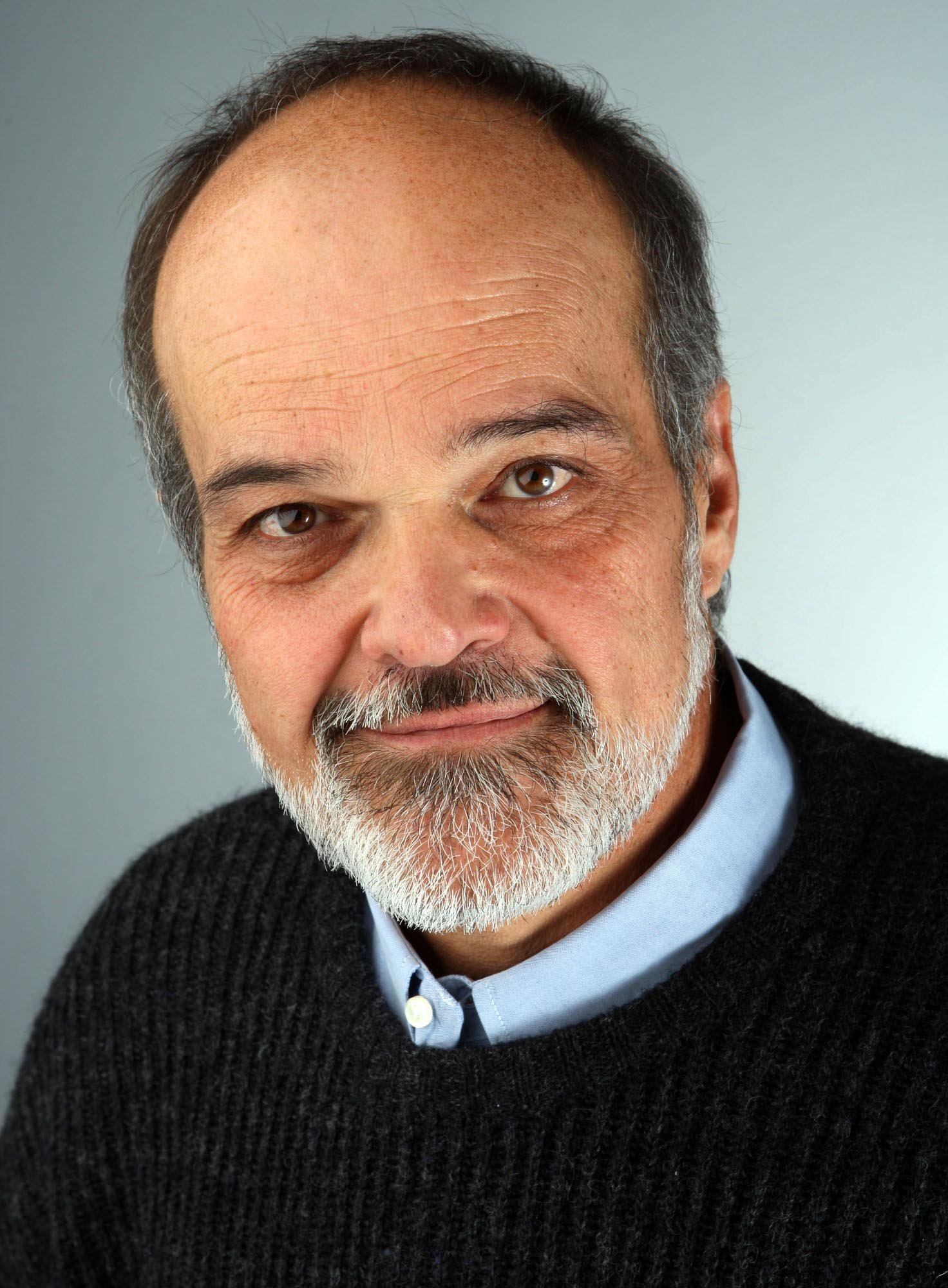
Kim Komenich

Journalism New Media Asst Prof, Journalism & Mass Comm

Education:

  • Master of Arts. Univ Of Missouri-Columbia, 2007
  • Bachelor of Arts, Journalism
  • San Jose St Univ, 1979

Kim Komenich worked as a staff photographer and editor for the San Francisco Chronicle (2000-2009) and the San Francisco Examiner (1982-2000.) He was awarded the 1987 Pulitzer Prize in Spot News Photography for photographs of the Philippine Revolution he made while on assignment for the Examiner.

Komenich has photographed the ramifications of conflict in the Philippines, Vietnam, El Salvador, the former Soviet Union and most recently in Iraq, where photos from his three trips to the Sunni Triangle in 2005 earned him the Military Reporters and Editors' Association's 2006 Photography Award for large circulation newspapers.

He has received the 1987 Distinguished Service Award from the Society of Professional Journalists, the 1981 World Press Photo News Picture Story Award, and three National Headliner Awards.

From fall, 1998 to winter, 2000 he was a visiting instructor at the University of Missouri, where he taught the capstone "Picture Story and the Photographic Essay" course. While at Missouri he received the Donald K. Reynolds Graduate Teaching Award. He is a 2005 recipient of the Clifton C. Edom Education Award from the National Press Photographers' Association.

He was a 1993-94 John S.Knight Fellow at Stanford and a fall, 2001 teaching fellow at the Center for Documentary Studies at U.C. Berkeley. He was a 2006-07 Dart Ochberg Fellow at the Dart Center for Journalism and Trauma, based at Columbia University.

In 2007 he received his MA in Journalism from the University of Missouri, where he studied the history and practice of multimedia photojournalism. He is currently an assistant professor for new media studies at San Jose State University. He also teaches short courses in video and multimedia photojournalism at Stanford Continuing Studies.

Links:

From: San José State University


SA


People Directory

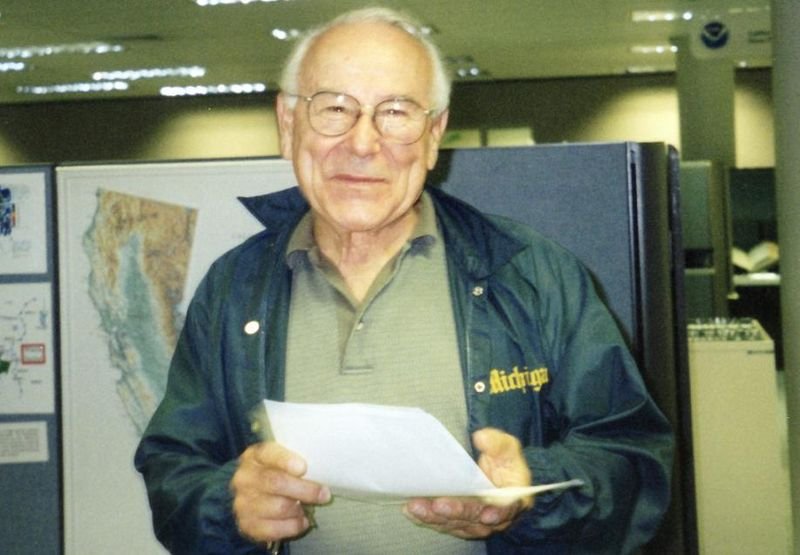
Milo Radulovich

Milo John Radulovich (October 28, 1926 – November 19, 2007) was an American citizen (born in Detroit) of Serbian descent and former reserve Air Force lieutenant who was accused of being a security risk for maintaining a "close and continuing relationship" with his father and sister, in violation of Air Force regulation 35-62. His case was publicized nationally by Edward Murrow on October 20, 1953, on Murrow's program, See It Now:

“That [Air Force regulation 35-62] is a regulation which states that 'A man may be regarded as a security risk if he has close and continuing associations with communists or people believed to have communist sympathies.' Lieutenant Radulovich was asked to resign in August. He declined. A board was called and heard his case. At the end, it was recommended that he be severed from the Air Force. Although it was also stated that there was no question whatever as to the Lieutenant's loyalty.—Edward R. Murrow”

.
Read more ...

Publishing

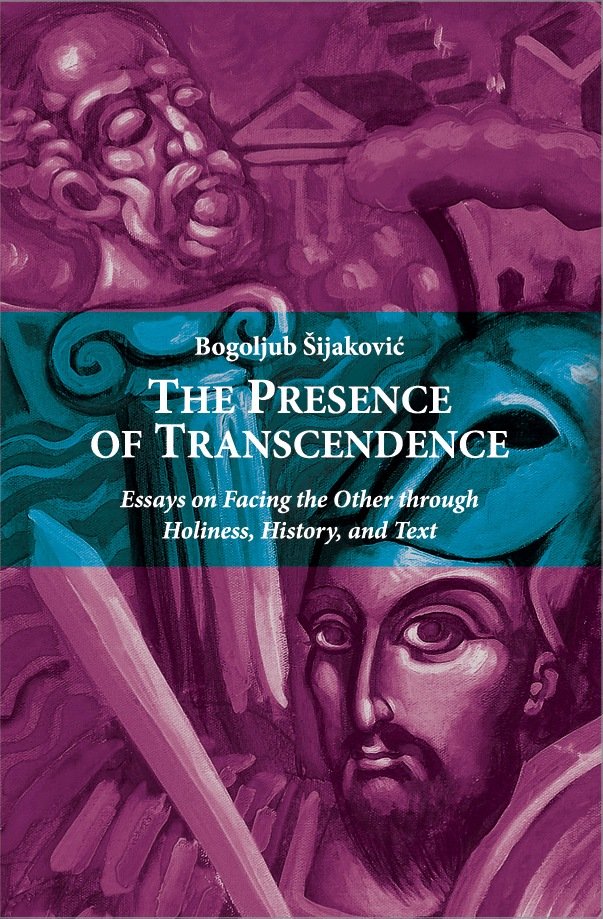
The Presence of Transcendence

Essays on Facing the Other through Holiness, History and Text

by Bogoljub Sijakovic

The essays collected in this book venture into various domains of philosophy, such as ontology and epistemology, anthropology and ethics, philosophy of history and history of philosophy, philosophy of religion and theory of the mystical, poetics and hermeneutics. The problems here thematized, which are brought to us primarily by the tradition of Hellenism and Christianity as well as life itself, are both traditional and contemporary: self-knowledge and knowledge of God, transcendence and paradoxy, theodicy and anthropodicy, sacrifice, violence, holiness, responsibility, decision-making, evil, guilt, repentance, forgiveness, memory, as well as: wisdom, suffering, good, the other, freedom, fate, history, the Balkans, war, rationality, and also: reading, dialogue, poetry, metaphysic of light.