Sidebar
Site Map

A great man is one who collects knowledge the way a bee collects honey and uses it to help people overcome the difficulties they endure - hunger, ignorance and disease!
- Nikola Tesla
Remember, remember always, that all of us, and you and I especially, are descended from immigrants and revolutionists.
- Franklin Roosevelt
While their territory has been devastated and their homes despoiled, the spirit of the Serbian people has not been broken.
- Woodrow Wilson
Tesla: The Musical
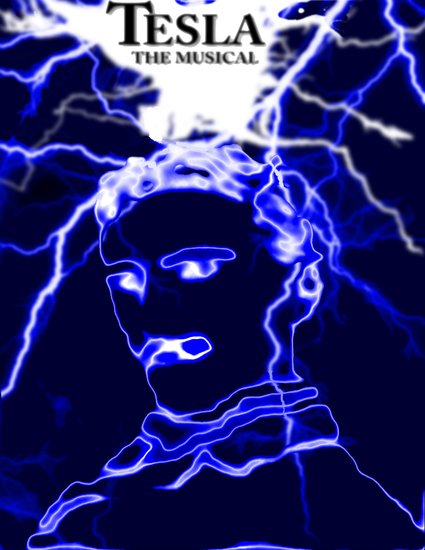
On July 10th, 1856, a boy was born at midnight during a lightning storm in present-day Croatia. Twenty-eight years later, he would come to America with virtually nothing but his education and a mind unlike any other. He would change the world forever with alternating current – the form of electricity we use to this day. He would go toe-to-toe with Thomas Edison, one of the most powerful men on the planet, who did everything he could to get in his way. He would suffer from mental illness in a time before proper diagnosis and treatment were available. He would be admired by scores of women but would never marry or have children, as he feared they would distract him from his work. He would fail at just as many endeavors as he succeeded at. Because he took no royalties for his AC patents, ensuring that safe, cheap electricity would reach every corner of the globe, he would die broke, alone, and insane. After his death he would be largely forgotten as he left behind no companies or children.
His name was Nikola Tesla. This is his story – the man, the myth, the musical.
Breze Ethno Choir
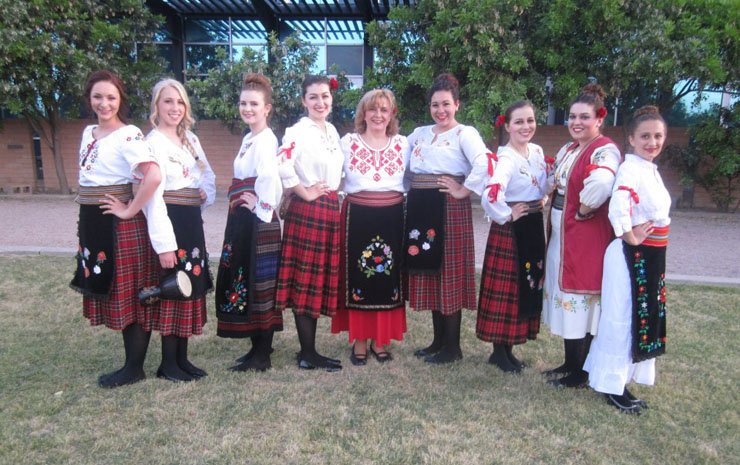
This group was formed in early January of 2013 by Gordana Stojanovic Mihajlovich and its members all posses a deep passion for singing. They hope to grow and make this group a success not only in Phoenix, but also through Serbian communities across the world.
Breze hopes to further educate young people of the Serbian Diaspora about Serbian culture and traditions as well as present the heritage of Serbian ethnic music. Breze aspires to encourage younger generations to be get involved in their Serbian heritage and traditions. They also hope to encourage the continuation of traditional songs in the Serbian Orthodox culture and faith as an important part of the participants' lives.
Breze has been extremely active since their start. Their performances include: the St Sava Day celebration in Phoenix, the Global Village festival in Gilbert, the Stevan Hristich Liturgical Concert in Phoenix, and SSF Festival in Lansing, IL. They are looking forward to performing at Diocesan Days in Los Angeles in September, and at the annual Stevan Hristich choir concert in October 2013. They are also looking to traveling to Chicago with the choir in November.
The members of Breze are: Alexis Baich, Marina Lazarevic, Vesna Lazarevic, Natasha Novakovic, Nina Novakovic, Sasha Pasic, Stefany Pasic, Mihaila Tuba and Marija Knezevic. They are directed by Gordana Stojanovic-Mihajlovich, with a help of assistant director, Ivana Njegovan.
Breze also has a group of great people behind the scenes supporting the team of singers: Mila Baich, choir president, as well as other members of the supporting staff, Slavica Ristic, protinica Kristina Tuba and Kristi Lazarevic. The group is also greatly accepted and supported by many members of the St Sava parish in Phoenix, Arizona, led by very reverent father Dragomir Tuba. Breze are looking forward to the future projects and songs! Stay tuned…
Latest Articles
- Књиге шире крила најбољим мислима
- Crafting Pišanice - Serbian Easter Eggs with Natural Dyes
- From Nicaea to Today: The Enduring Legacy of Synodality and Unity in the Church
- The Role of the Deacons in the Church
- The Circle of Serbian Sisters
- Vinka Ellesin
- Богородица као екстатично биће
- Bishop Maxim's Homily During the Assembly of Bishops XII Opening Liturgy
- Leon Joseph Lysaght Jr.
People Directory
Archimandrite Sebastian Dabovich
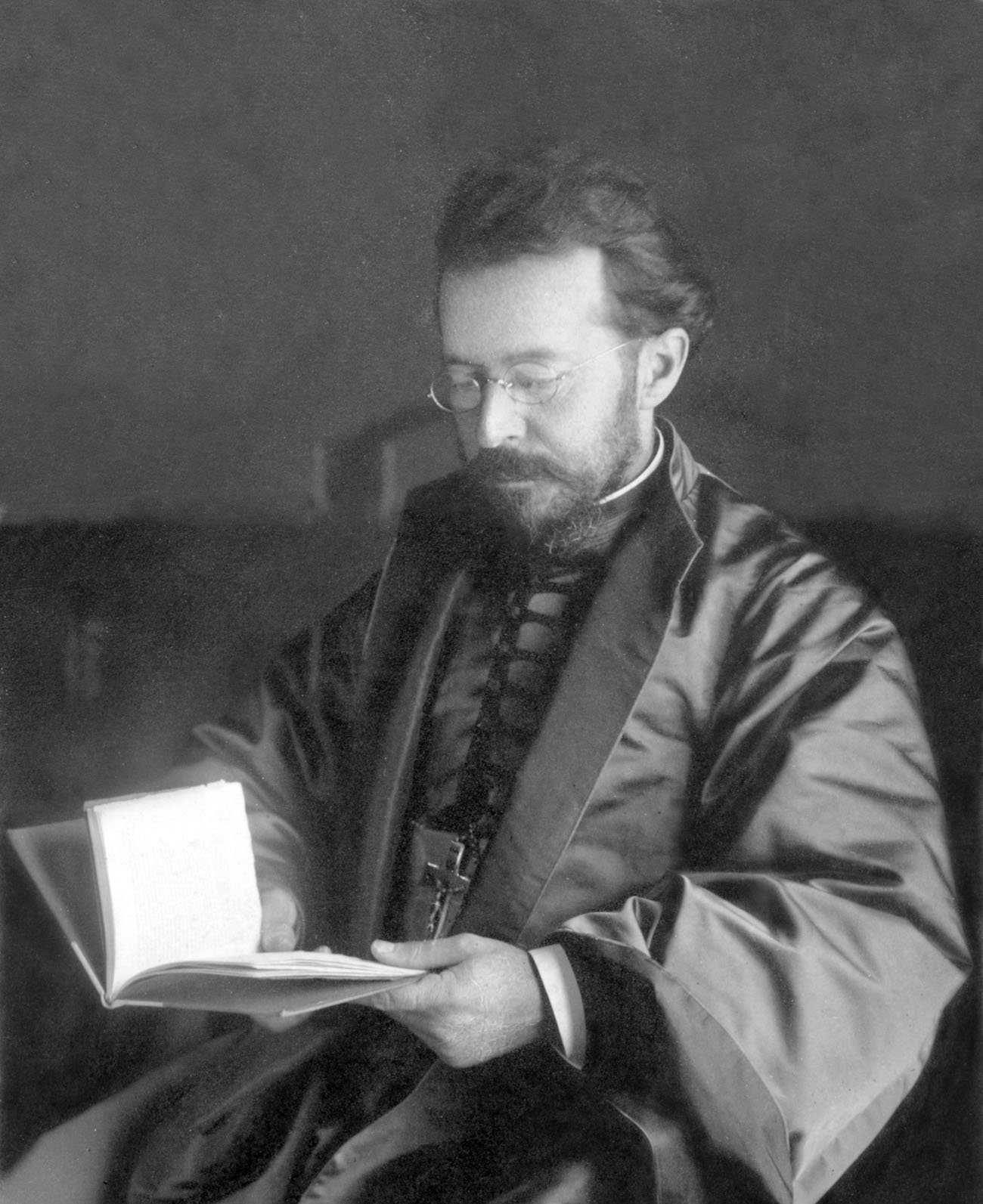
SERBIAN ORTHODOX APOSTLE TO AMERICA
by Hieromonk Damascene (Christensen)
St. Herman of Alaska Monastery, Platina, California
1. An Apostle of Universal Significance
Born during the presidency of Abraham Lincoln, Archimandrite Sebastian Dabovich has the distinction of being the first person born in the United States of America to be ordained as an Orthodox priest,[1] and also the first native-born American to be tonsured as an Orthodox monk. His greatest distinction, however, lies in the tremendous apostolic, pastoral, and literary work that he accomplished during the forty-eight years of his priestly ministry. Known as the "Father of Serbian Orthodoxy in America,"[2] he was responsible for the founding of the first Serbian churches in the NewWorld. This, however, was only one part of his life's work, for he tirelessly and zealously sought to spread the Orthodox Faith to all peoples, wherever he was called. He was an Orthodox apostle of universal significance.
Read more ...Publishing
To Christ and the Church
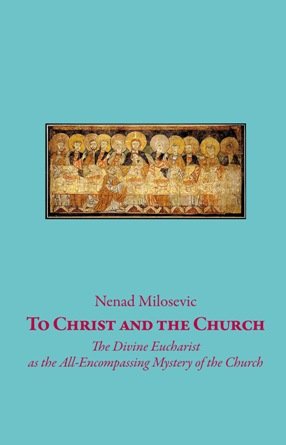
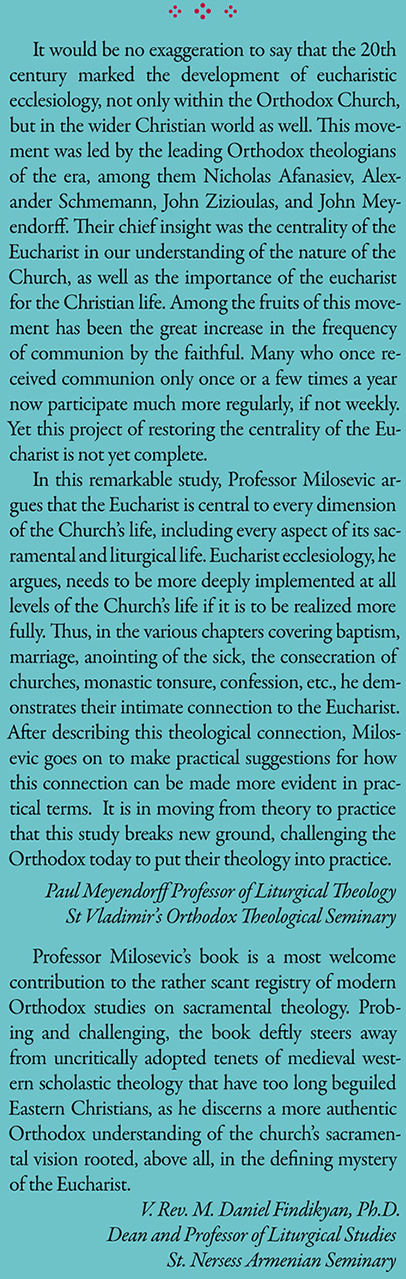
The Divine Eucharist as the All-Encompassing Mystery of the Church
by Nenad Milosevic